West Bengal has announced its new Industrial Policy 2026, outlining 10 major steps aimed at reviving industrial growth in the state. The announcement is expected to bring together the government's plans for investment incentives, faster clearances, industrial land allocation and employment generation. A separate framework for managing the state's financial liabilities is also part of the wider economic challenge facing the administration.
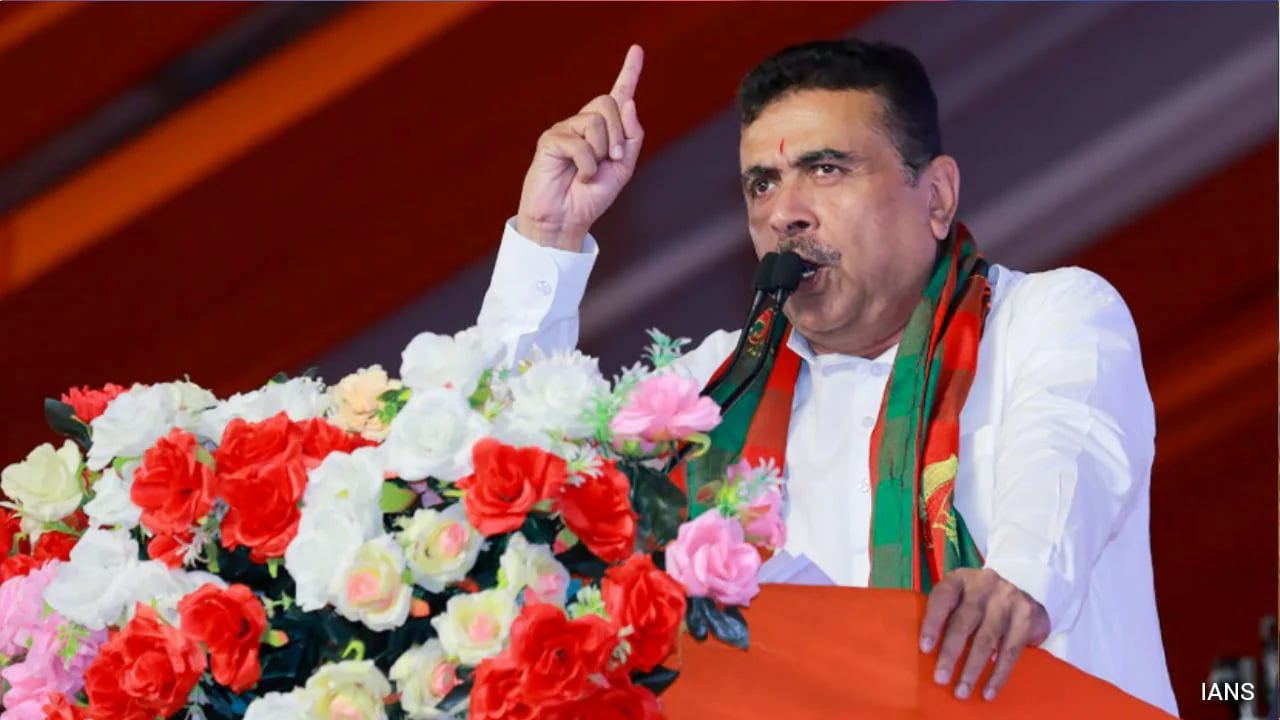
Chief Minister Suvendu Adhikari said the new government would neither repeat the police firing on farmers witnessed during Buddhadeb Bhattacharya's tenure in Nandigram nor follow what he described as the non-committal approach of the Mamata Banerjee government towards industry. He said the BJP-led government would take an active mediatory role between industrialists and farmers who own land. Referring to the earlier approach under Mamata Banerjee, he said industrialists were often told to negotiate directly with farmers if they needed land, while the state government kept itself out of the process. The new government, he said, would actively intervene and facilitate discussions between the two sides.
The state government is creating a land bank and has begun purchasing land so that it can make land directly available to private industries. As an example, the Chief Minister mentioned that the government had already provided land to Amul for its dairy products business.
The government will begin offering incentives to industries. Adhikari acknowledged that there was a substantial backlog of pending incentives, amounting to nearly several crores. He described this liability as a legacy of the past but said the government would gradually begin addressing it.
3. Land to be reclaimed if projects do not begin within three years
If a private company acquires land but fails to start its industrial project within three years, the state government will take the land back after that period.
The government will make efforts to reopen closed factories in both the public and private sectors, providing support to facilitate their revival.
Industries interested in investing in West Bengal's backward districts will receive special economic assistance from the state government. The aim is to encourage investment in areas that have not benefited sufficiently from industrial development.
Singur, which had earlier witnessed the withdrawal of a proposed automobile project, could once again attract investment from the automobile sector.
7. Improved law and order and a more favourable investment climate
The Chief Minister said the law and order situation in the state had become more peaceful and that businesspeople would no longer face extortion. According to him, this improved environment could encourage more investment from outside West Bengal, including from abroad.
Under the new policy, the state government has announced that it will extend 120 per cent support to any industry looking to establish a business in West Bengal.
The state government plans to bring the tourism sector within the broader framework of industrial development. Tourism Minister Sankar Ghosh was also present at the event where the new policy was announced.
10. Addressing the state's debt, unemployment and migration challenges
The Chief Minister acknowledged that West Bengal is carrying a debt burden of Rs 8 lakh crore. He also referred to the state's more than two crore unemployed young people and the presence of 70-80 lakh migrant labourers from Bengal.
Describing the financial burden as a legacy of the past, Adhikari said his government was working to change the situation. He claimed that the state had already recorded revenue growth of Rs 4,000 crore within this short period. He further alleged that Rs 20,000 crore had been siphoned abroad to different countries by anti-national mafias operating from outside the state. He said addressing this situation would also help create a new industrial climate in Bengal.
The Chief Minister also announced that investments worth Rs 1 lakh crore were expected to come into the state within the next few months. Apart from the new industrial policy, the state government will formulate a separate land policy at a later stage. The Chief Minister indicated that this would be an even more critical part of the government's plans for industrial development.
The policy has been a work in progress since the BJP government took office in May. Adhikari had initially promised to introduce it before Durga Puja, but the announcement was postponed as the government sought further suggestions and made changes to the draft.
The Cabinet approved the policy on October 28, clearing the way for its formal unveiling. The document has been prepared under the supervision of the Chief Minister, with Industries Minister Tapas Roy and Finance Minister Swapan Dasgupta playing key roles in the process. The government has also invited representatives of major industrial houses to attend the launch at Nabanna.
At Haldia on October 14, Adhikari had declared that Bengal would become a destination for investors within a year. His message was clear: the state wants to move beyond the long-running debate over its industrial decline and present itself as a place where businesses can establish and expand their operations. "We want industrialists to say, 'Let us go to Bengal'," he said, outlining his ambition to make the state more attractive to investors.