The BJP, out to secure an unprecedented third term in Uttarakhand, had chalked out a detailed blueprint that includes a state-wide campaign to reinstate the names of individuals that were removed from the electoral rolls during the Special Intensive Revision of voter lists.
Besides, instructions have been issued to curb factionalism and state-level leaders have been asked to work as a cohesive team.

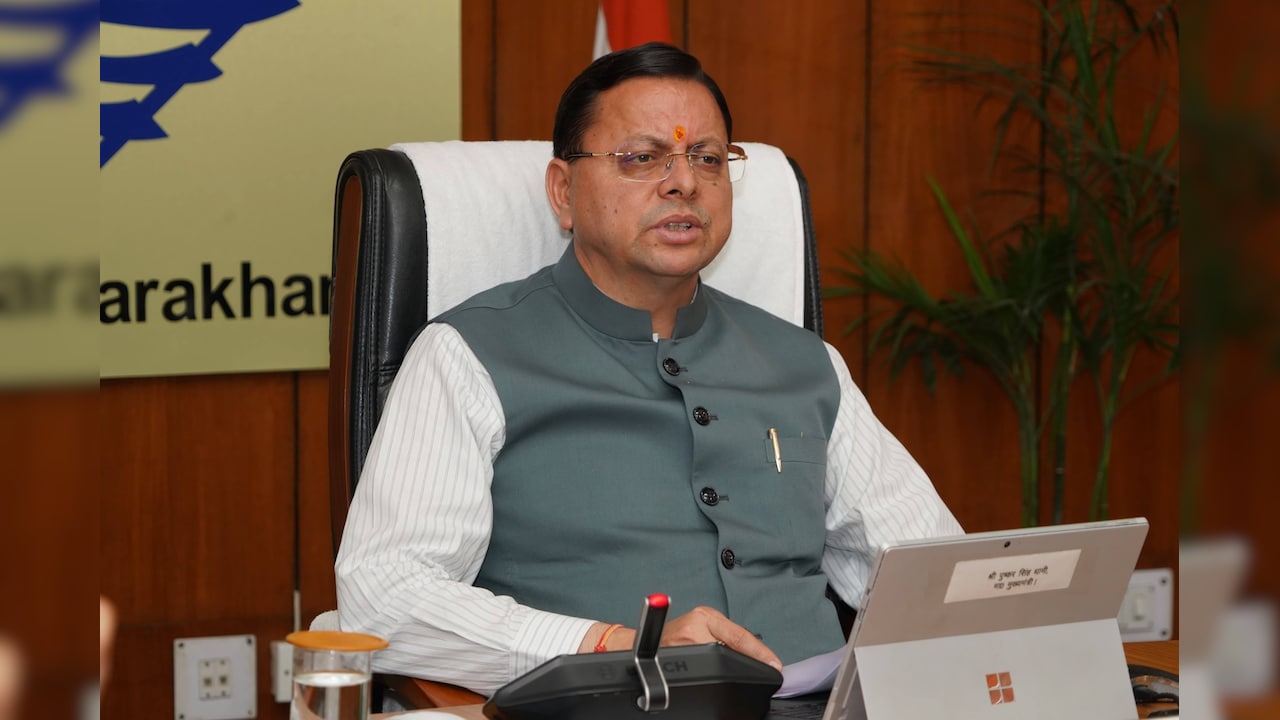
The BJP will contest the upcoming elections under the leadership of Chief Minister Pushkar Singh Dhami. He is the second Chief Minister after Narayan Dutt Tiwari to complete a full five-year term. Tiwari was a two-time Chief Minister who served consecutive terms.
In the last assembly elections, the BJP made history by returning to power in a state that developed a revolving door system, always ushering out the incumbent. Now, the party aims to create history once again by winning a third consecutive term, with a target of 60 seats.
The local leaders, though, privately acknowledge that it would be a significant challenge, in which anti-incumbency may figure in a substantial way.

To counter this, the party may drop a chunk of its 47 sitting MLAs. Around 10 could be shown the door, sources said.
The party is also strengthening its organisational structure, with senior leaders working to rein in internal factionalism and address the grievances of veteran leaders and party workers.
Sources said for women voters - always a key constituency -- the state may announce new welfare schemes. Promises to create job opportunities for the youth are also expected.
The BJP also plans to address the issue of migration - a major concern in the state - by informing the public about the government measures to tackle it.
The BJP maintains that there is no significant discontent among 'Gen Z' in Uttarakhand. The Citizens for Justice and Peace movement, which gained traction in Delhi, has had no impact in Uttarakhand. The BJP also claims that the campaign against alleged 'vote theft'- spearheaded by the 'INDIA' bloc -has failed to gain any real traction on the ground.
Senior BJP leaders have been assigned responsibilities in the state's Terai region, which borders Uttar Pradesh.
The BJP believes a strong electoral performance in this area will influence the overall outcome. The party is banking on the achievements of its 'double-engine' government.
The BJP intends to highlight issues such as the 'Char Dham' infrastructure projects and the Uniform Civil Code. It is also leveraging the implementation of a stringent anti-cheating law.The resentment among locals regarding the Ankita Bhandari case and the state's land laws, however, poses a challenge for the party.
Traditionally, electoral contests in the hill state have been primarily between the BJP and the Congress. While parties like the Aam Aadmi Party (AAP), the BSP, and the Samajwadi Party (SP) have occasionally attempted to turn the contest into a three-way race, they have not met with success.
The Congress has begun to focus on the alleged corruption within the Dhami government, preparing to make the arbitrary allocation of government land a major campaign issue.
The party is also cornering the BJP on matters such as land laws, outward migration, the 'Agniveer' recruitment scheme, inflation, and unemployment.
Although the BJP won the 2022 assembly elections, its seat count and vote share had declined.
Compared to the 2017 assembly elections - when it secured 57 seats and 46.5 per cent of the vote - the BJP won ten fewer seats in 2022, securing 47 seats, while its vote share dropped to 44.30 per cent.
The Congress on the other hand, gained seven seats, and its vote share increased by approximately 4.5 per cent compared to 2017.
The BJP leaders claim that the Congress in the state is plagued by intense factionalism, and the infighting could work to the BJP's advantage.