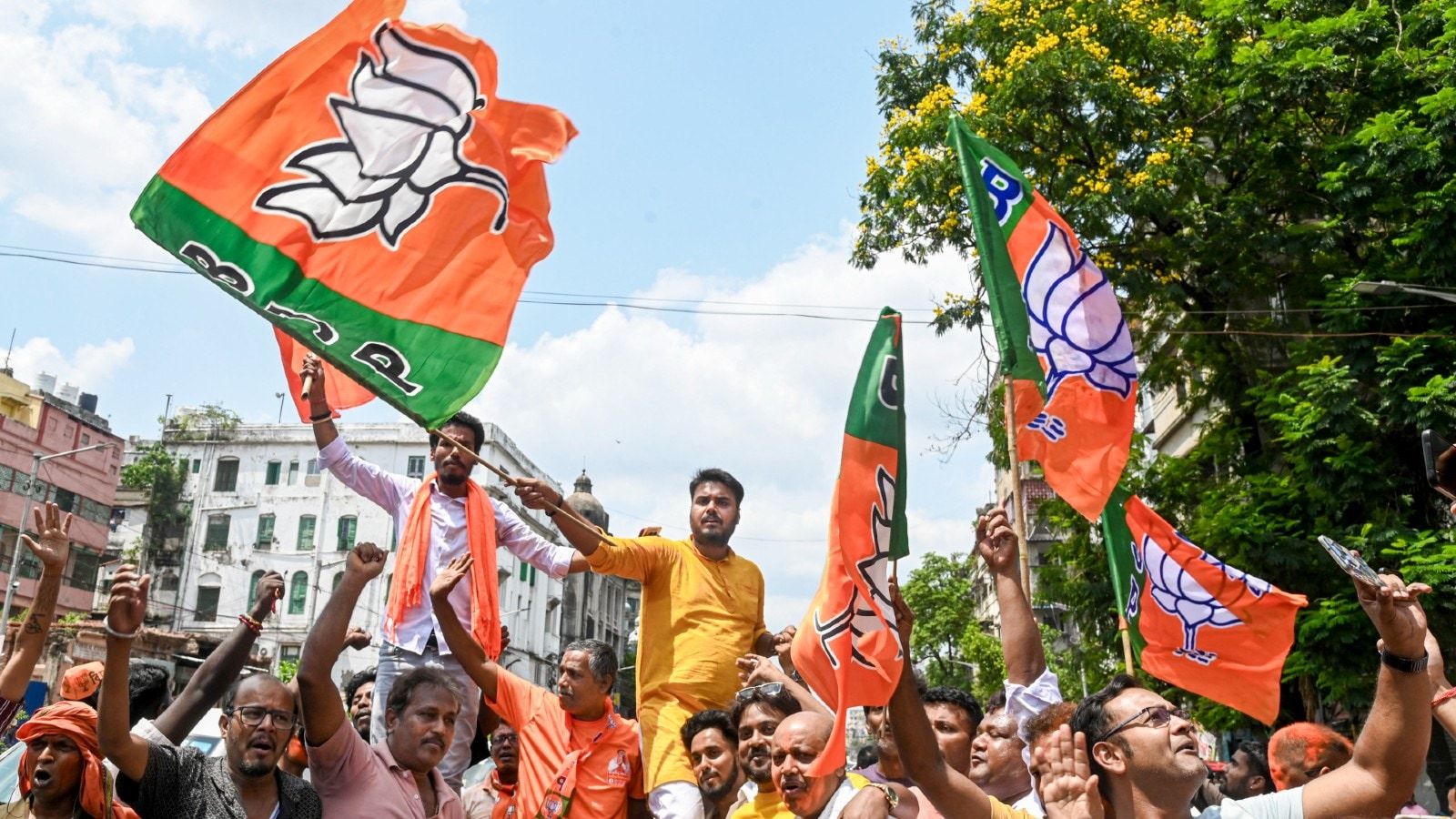
To reach out to Dalits in north India, the BJP has kicked off a yatra, Samarasta Sankalp Yatra (social harmony march), that also seeks to “strengthen” the bonds of the Scheduled Castes (SCs) with other social groups such as the Other Backward Classes (OBCs) and upper castes.
While the objective of the 16-day yatra is to connect with a large section of the SCs across seven states, it would especially focus on Uttar Pradesh and Punjab, where Dalits have significant shares in population and play key roles in determining their elections.
The yatra would cover 2,402 kms, whose longest stretches would be in UP and Punjab, followed by Haryana, Himachal Pradesh, Delhi, Chandigarh and poll-bound Uttarakhand. The Assembly elections in UP, Punjab and Uttarakhand are due in February next year. In these states the BJP would also take out smaller “link yatras” from various belts to connect them with the main yatra.
An analysis of the yatra’s route shows that it passes through 47 cities which encompass 252 Assembly constituencies including 56 SC-reserved seats. The Opposition parties had an upper hand over the BJP in these seats in the previous Assembly elections, of which the BJP-led NDA won 117 as against the Opposition’s 135. Of the SC seats, the BJP and its ally Apna Dal (S) together won 22, while in the rival camp the Congress got 12, SP 3 and the AAP 19.
The BJP’s yatra, which commemorates Sant Ravidas’s 650th birth anniversary year, was flagged off by party national president Nitin Nabin at Raipur Rasulpur village near Dera Ballan in Jalandhar on November 18.
In the yatra, a Sant Ravidas idol and his charan-paduka (revered footwear) have been placed in a modified chariot, with about 75 BJP workers in 15 vehicles moving along with it.
The yatra would traverse over 820 km through the BJP-ruled UP, covering 99 constituencies or nearly 25% of the state’s 403 Assembly seats.
In the 2022 UP polls, when the Yogi Adityanath-led BJP returned to power for a second consecutive term, the BJP and its allies, Apna Dal (S) and Nishad Party, collectively bagged 71 of the 99 seats, with the SP and its then ally RLD together winning 28. These 99 seats include 20 SC seats, of which the NDA won 17 against the SP’s 3.
In Punjab, the yatra passed through 14 districts in five days, covering nearly 700 km. These 14 districts have 79 seats, of which the AAP won 61 and the Congress 14 in the 2022 elections. Contesting separately then, the BJP and the Shiromani Akali Dal (SAD) won two seats each. Meanwhile, the BJP and the SAD reunited Tuesday to jointly contest the 2027 Punjab polls. The 79 constituencies include 22 SC-reserved seats, of which the AAP won 18 and the Congress four.
In UP, Dalits account for 21% of the state population, with 84 of the state’s 403 Assembly seats reserved for the community.
In Punjab, the SCs account for about 32% of its population – the highest among the states in the country. Of the state’s 117 seats, 34 are SC-reserved seats.
Sant Ravidas’s followers, Ravidassias, belong to the Dalit community. A large section of Ravidassias is based in the Doaba region, which comprises districts like Jalandhar, Kapurthala, Hoshiarpur and Nawanshahr.
After making an exit from the AAP-ruled Punjab on November 22, the yatra entered the Congress-ruled Himachal Pradesh where it covered seven Assembly seats. The Congress had won five of these seats, including both two SC seats, whereas the BJP and an Independent won one seat each.
The yatra entered the BJP-ruled Uttarakhand Tuesday, passing through Dehradun and Haridwar districts before entering UP’s Saharanpur on the same day. These two districts of Uttarakhand have 21 Assembly seats including 4 SC-reserved ones. Of these 21 of the state’s 70 seats, the BJP bagged 12 as against the Congress’s six and the BSP two in the 2022 elections, with one seat won by an Independent candidate. These seats include four SC seats, of which the Congress won three as against the BJP’s one seat.
On Wednesday, the yatra entered Haryana, where it would cover eight cities which have 36 Assembly seats, of which the BJP won 24 seats as against the Congress’s 11 in the 2024 elections with the remaining one picked by an Independent. These seats include seven SC seats, of which the BJP won four and the Congress three. The yatra is slated to cross Haryana in two legs, as it would weave its way through a few adjoining parts of western UP and Delhi.
The yatra’s Delhi stretch would cover 10 Assembly seats of which the BJP won seven and the AAP three, including one SC seat, in the 2025 elections.
From Haryana, the yatra would enter UP again, for the third time, on November 28 from Mathura. In this politically crucial phase, it would traverse through Mathura, Agra, Firozabad, Etawah, Auraiya, Kanpur, Unnao, Lucknow, Rae Bareli, Prayagraj and Sant Ravidas Nagar before culminating at Seer Govardhanpur in Varanasi on December 3.
BJP national vice-president Lal Singh Arya, who is Samarasta Sankalp Yatra’s national coordinator, denied any political aim behind taking out this yatra. “Yatra is also passing through Delhi, Haryana and Chandigarh where elections are not due next year. BJP flags are not being used in yatra,” Arya told The Indian Express.
He said the yatra’s objective is to take Sant Ravidas’s ideas to the people, adding that books and pamphlets on his ideas have been published for distribution.
To mark the 15th-century saint-poet’s 650th birth anniversary, the BJP has been holding various programmes which, starting from July 29, would continue till February 20, 2027. The party has also taken the soil from Sant Ravidas’s birthplace in Varanasi in 131 kalash (urns) to different parts of the country. The current Samrasta Sankalp Yatra is part of this plan.